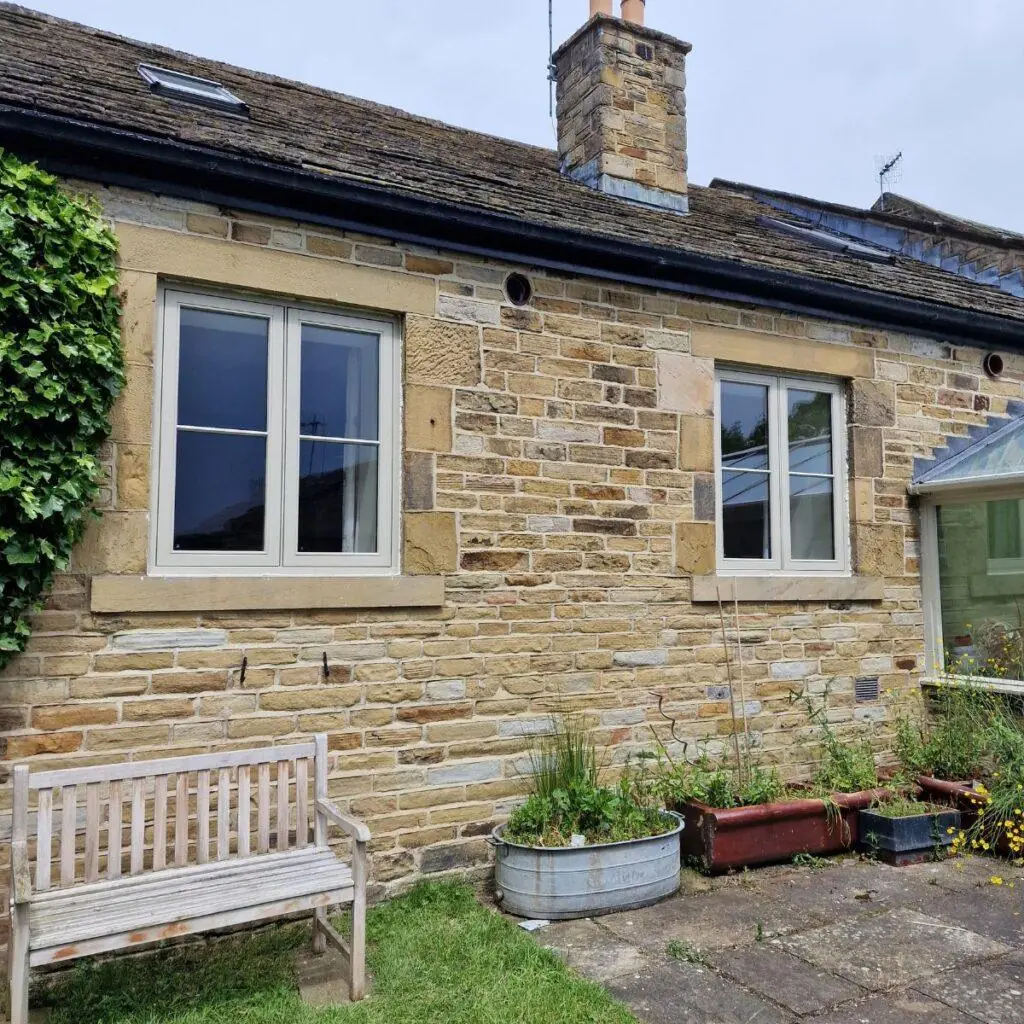

Replacing windows in a conservation area does usually require planning permission, or at minimum formal consent from your local planning authority, because permitted development rights that apply to ordinary residential properties are removed or restricted in designated areas. The exact requirement depends on whether your property is also listed, what your local authority’s Article 4 Direction covers, and what the conservation officer decides about the proposed replacement’s design.
Getting this wrong can mean being required to remove what you have fitted and reinstate the originals at your own cost, so it is worth understanding the rules before you order anything.
What are conservation areas and why do they affect window replacements?
A conservation area is a place that a local authority has formally designated as having special architectural or historic interest worth preserving or enhancing. West Yorkshire contains many designated conservation areas across a range of settlements and building types, from terraces to farmsteads.
In an ordinary residential property outside a conservation area, replacing a window with one of similar appearance is permitted development, meaning you do not need to apply for planning permission. In a conservation area, that permitted development right is withdrawn for works that affect the external appearance of the property. Fitting a replacement window that changes the character of the building, even subtly, is therefore a matter for the local planning authority.
Does it make a difference if the building is listed?
Yes, significantly. If your property is also a listed building, you need Listed Building Consent for any alteration that affects its character as a building of special interest, and that includes window replacements even when the work is internal. Listed Building Consent is separate from planning permission and is assessed against different criteria.
Many properties within conservation areas are not listed, but that does not mean they are exempt. The conservation area designation itself is what limits permitted development, and your planning authority can impose further restrictions through what is called an Article 4 Direction, which removes permitted development rights over and above the standard conservation area rules.
What does the planning authority look for?
Conservation officers generally look at whether the replacement window replicates, or at least respects, the form, scale, glazing pattern and materials of what was there originally. Conservation officers look carefully at whether replacement materials respect the character of what was there originally.
The points that tend to matter most in an assessment are:
- Framing material. Timber is almost always expected in areas with original timber joinery. uPVC and aluminium are often considered unsuitable where the historic fabric is timber.
- Profile and section size. A sash window with chunky uPVC rails looks fundamentally different from an original Georgian or Victorian sash, and officers know it.
- Glazing bars are another point of scrutiny: stuck-on or internal versions are usually considered insufficient where the original had true glazing bars or authentic Georgian-bar detailing.
- Opening configuration. Changing from a sash to a casement, or altering the proportions of the opening, is something conservation officers scrutinise closely.
- Glass. Obscured or heavily tinted glass changes the appearance of an elevation and is generally unwelcome.
What kind of timber window is normally acceptable?
A like-for-like replacement in timber, made to the original profile and section, is the outcome most conservation officers are looking for. For sash windows, that typically means a wooden sliding sash window that replicates the original frame depth, horn detail, meeting rail and glazing bar arrangement. For cottage-style properties, a wooden flush casement window sitting flush in the frame rather than proud of it is usually what the building originally had and what the officer expects to see maintained.
Unusual or non-rectangular openings do also arise in period properties, and it is possible to manufacture shaped or curved frames to match original forms. Our specialist shaped windows page covers some of what is possible where the original joinery is not a standard rectangular opening.
Can you just match the materials and apply retrospectively?
No. Submitting an application after the work is done is technically possible, but it puts you in the position of having already carried out an unauthorised alteration. The local authority can require you to remove the replacement and restore what was there, and it can take enforcement action within the authority’s enforcement window, which varies, even if they choose not to act immediately. It is always better to apply before you start.
How do we approach conservation and listed building work?
We manufacture bespoke timber joinery and a good deal of our work involves properties where the character of the original windows matters. On a former railway station at Batley we made heritage windows to suit a planning-sensitive elevation where the visual character of the opening was central to what the planning authority required. Flush casement windows, sliding sash windows and purpose-made doors have all formed part of this kind of work, with timber specified to meet both planning requirements and long-term performance needs.
You can read more about these and other projects on our projects page.
We make the windows and doors to the specification needed. We manufacture from our factory in Clayton, near Bradford, and install across West Yorkshire. We cannot apply for planning or listed building consent on your behalf, and we would never suggest that approval is guaranteed, because that decision always rests with the local planning authority or conservation officer. What we can do is produce accurate drawings, profiles and sample sections to support your application, and manufacture to whatever specification the officer requires. If you are ready to talk through a project, get in touch with the team and we can take it from there.
What should you do first?
Before ordering, speak to your local authority’s planning department.
Once you know what is expected, speak to us. We can discuss the profile, section sizes and materials needed to meet the planning requirement, and prepare drawings or sample sections if they are needed to support your application. Visit our FAQs page for further information. Building our manufacturing lead time into your programme alongside the planning process is sensible, so factor that in from the outset.
FAQ
Do I always need planning permission to replace windows in a conservation area?
In most cases, yes, because conservation area designation removes the permitted development rights that would normally allow you to replace windows without applying. The exact position depends on your local authority’s Article 4 Directions and the specifics of your property, so confirming with your local planning department before you start is the right first step.
Is listed building consent the same as planning permission?
No, they are separate consents. Planning permission covers changes to use and external appearance. Listed Building Consent covers alterations to a listed building that affect its character as a building of special interest, including internal alterations. If your property is listed, you may need both, and both must be in place before work begins.
Will timber windows be accepted by a conservation officer?
Timber is the material conservation officers in many West Yorkshire areas expect to see in a like-for-like replacement, particularly where the original joinery was timber. Meeting the design requirements, covering profile depth, glazing bar arrangement and opening configuration, is equally important alongside material choice.
Can Farrar Joinery obtain planning permission for us?
We manufacture the joinery and can supply drawings, profiles and sample sections to support your application, but planning and listed building consent rest with the local authority. We cannot apply on your behalf, and we would not suggest that consent is guaranteed. The decision is made by the planning authority or conservation officer based on the proposal.
How long does the window manufacturing process take once consent is granted?
Windows typically take eight to twelve weeks from order, depending on the quantity involved. Our current terms require a 50% deposit to begin manufacture, with the balance due on completion. There is no minimum order.
Planning a project?
Send photographs, drawings or an outline of your requirements and the Farrar team can advise on the most useful next step.
Get my free quote